ASME Student Design Competition
Ball-Bearing Sorting Machine.

How the Machine Works
Project Overview
For the 2024–2025 ASME Student Design Competition at Dallas College’s Richland Campus, I worked with five teammates to build an autonomous machine that sorted ¼-inch and ½-inch ball bearings made from steel, brass, and nylon. The mixed bearings were poured into a hopper, where a rotating lift with rows of teeth collected every ball within reach and carried multiple balls to the top at the same time. At the top, a narrow opening allowed only the ¼-inch bearings to fall into the smaller tube, while the ½-inch bearings continued into a separate path. The bearings then passed through inductive sensors that used different material responses to distinguish steel from brass, while nylon produced no metallic response. Based on the sensor readings, the machine directed each bearing through the correct tube and into one of six packaging stations—all without manual sorting.
Rules
Competition Rules
Initial Testing
Each team had up to 10 minutes and a maximum of three attempts to sort 40 randomly mixed ball bearings. The machine had to complete the entire process autonomously, from receiving the bearings in a single hopper to delivering them into the six correct packaging stations. The best attempt was scored based on the number of correctly sorted bearings, with penalties for sorting errors and bearings that escaped or became stuck outside their intended path. The 16 highest-scoring teams advanced to the elimination round.
Elimination Testing
In the elimination round, each team received a larger mixture of 80 ball bearings. The judges selected four of the six bearing types, and the machine had to correctly sort 10 bearings of each selected type. A team member then carried each completed batch from its packaging station to the judging table to earn the letters A, S, M, and E. The clock stopped once all four letters were collected and placed in order. Scores rewarded accurate sorting and faster completion, while missorted, unsorted, escaped, or undelivered bearings resulted in penalties.
How the Machine Works
Hopper System
The first stage turns a mixed bucket of bearings into two steady, size-separated streams.
- 01Hopper System
- 02Sorting System
- 03Packaging Station
01
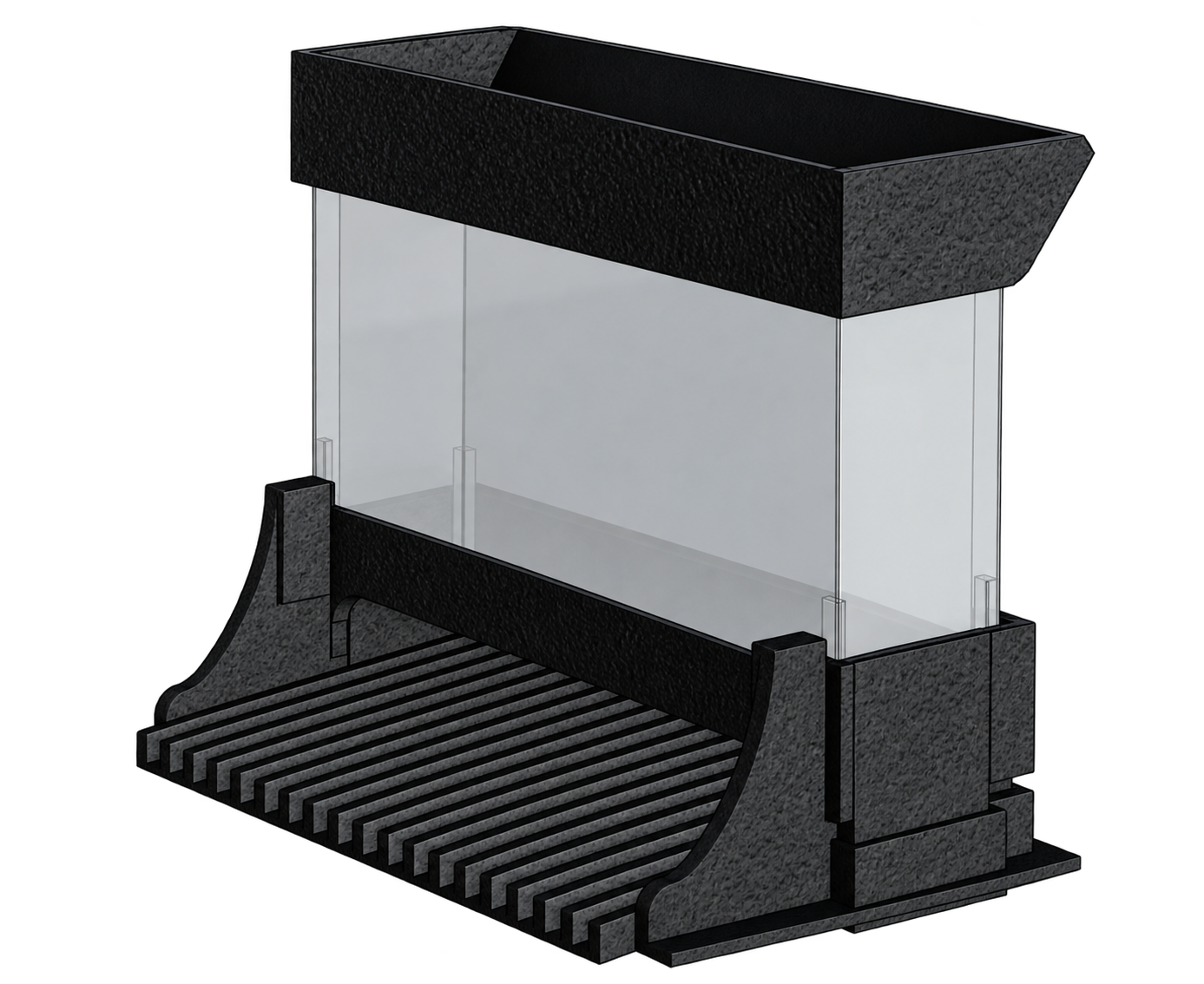
Intake Hopper
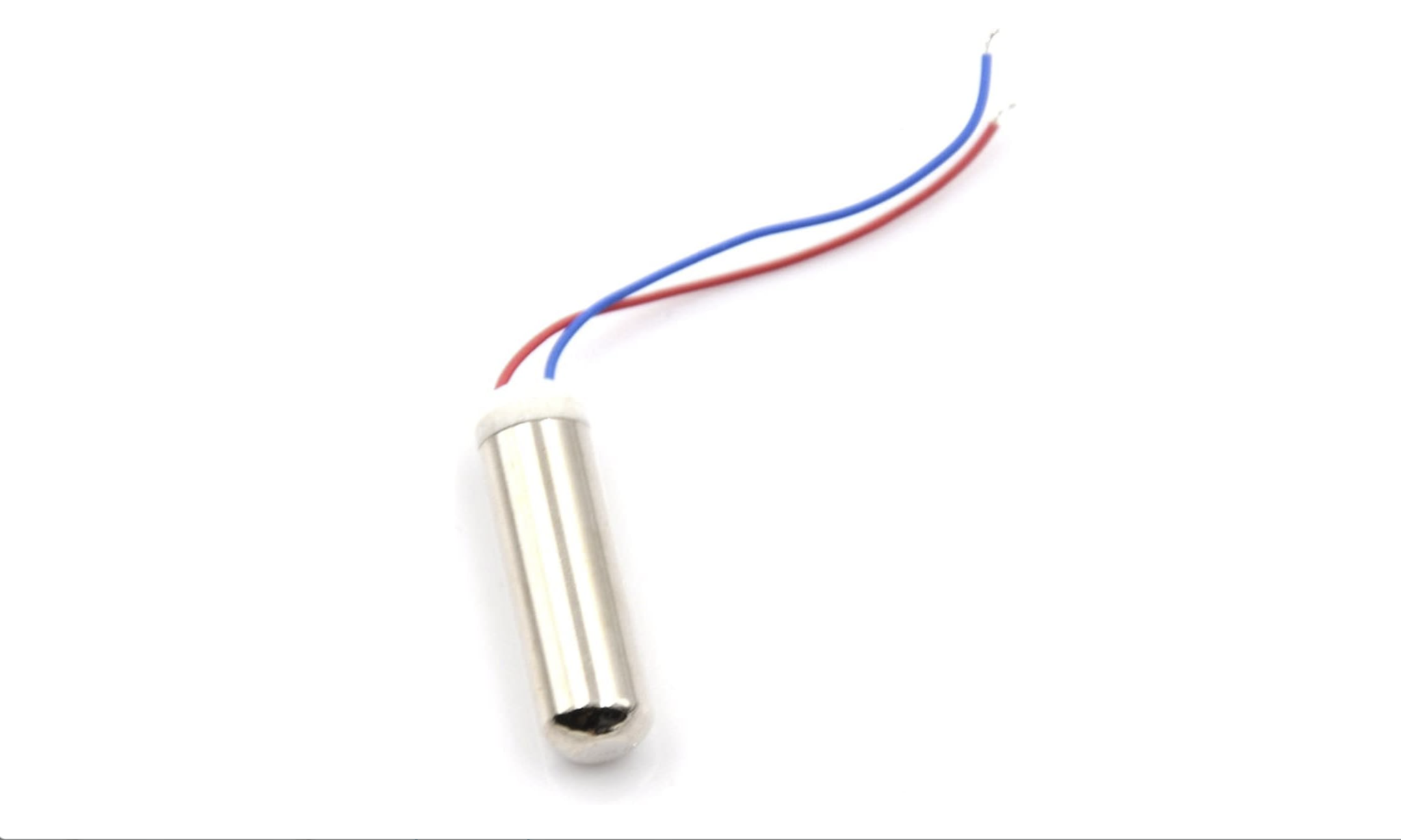
At the start of each run, the judges supplied a mixed batch of ball bearings, which was poured into the intake hopper and guided to the lift. Two Arduino-controlled vibration motors inside the hopper kept the bearings moving, preventing them from collecting or becoming stuck before exiting through the bottom.
02
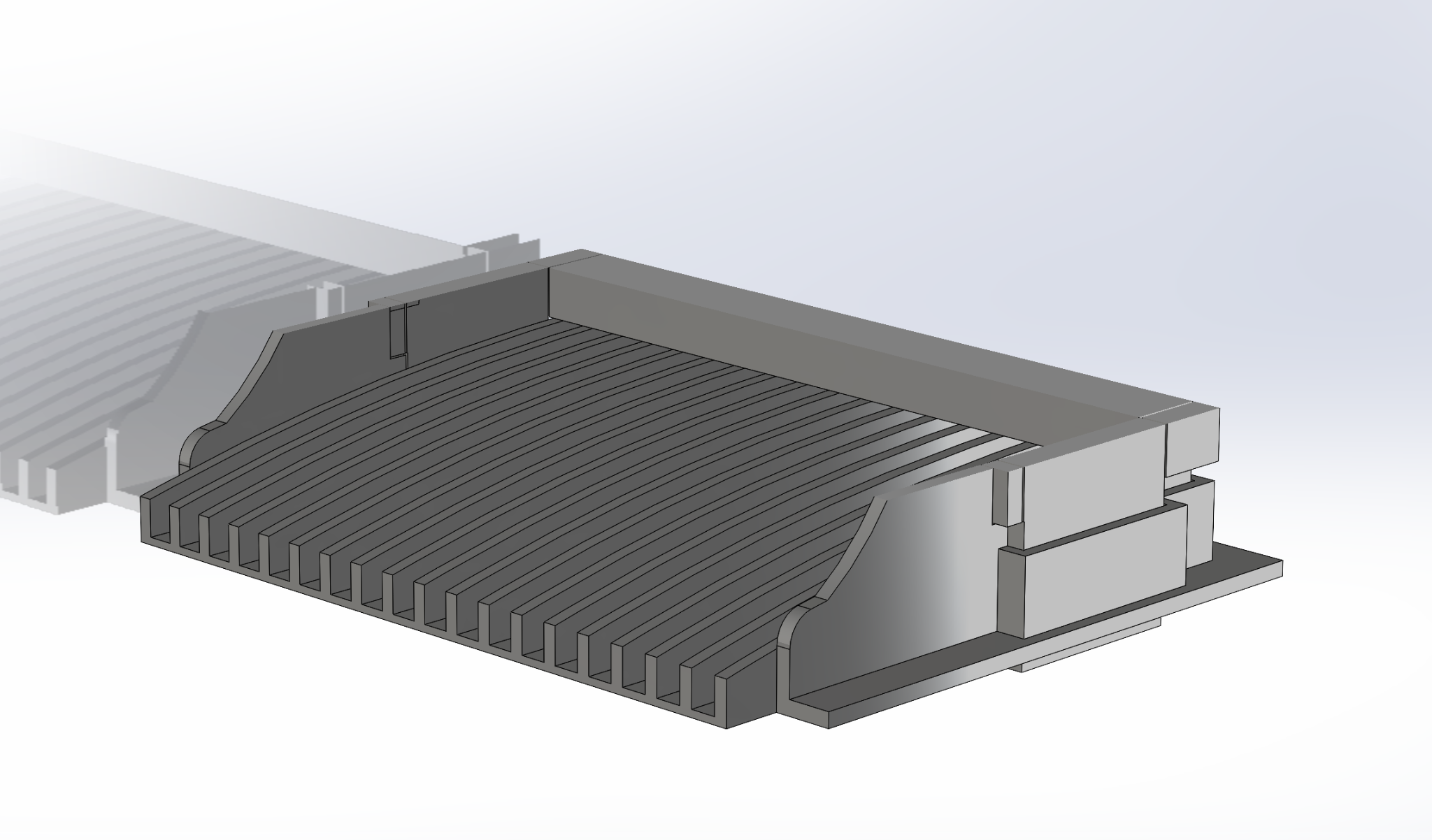
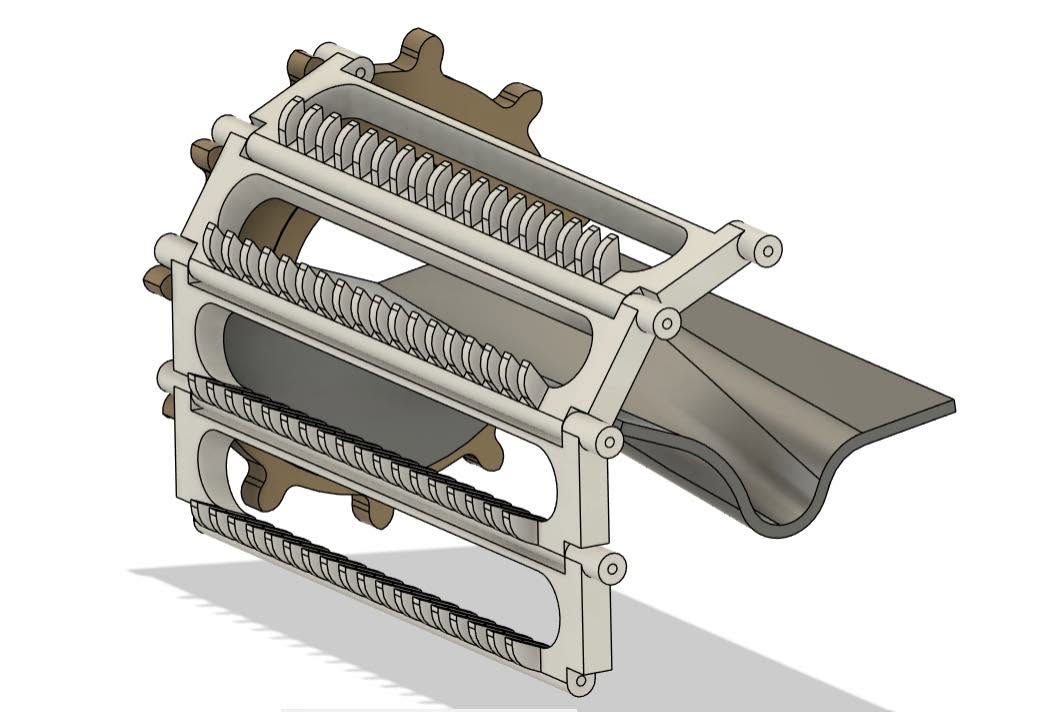
Rotating Toothed Lift
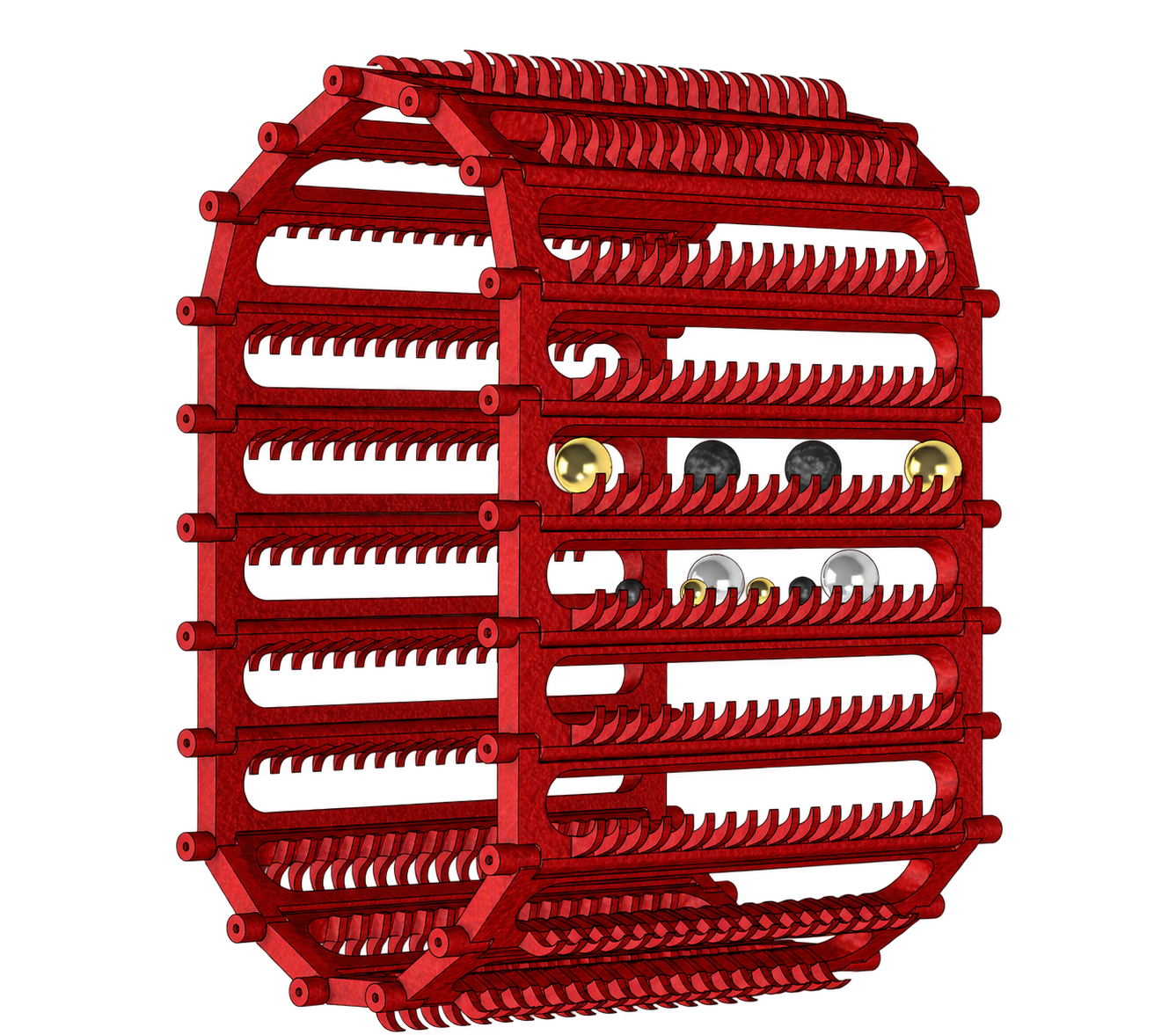
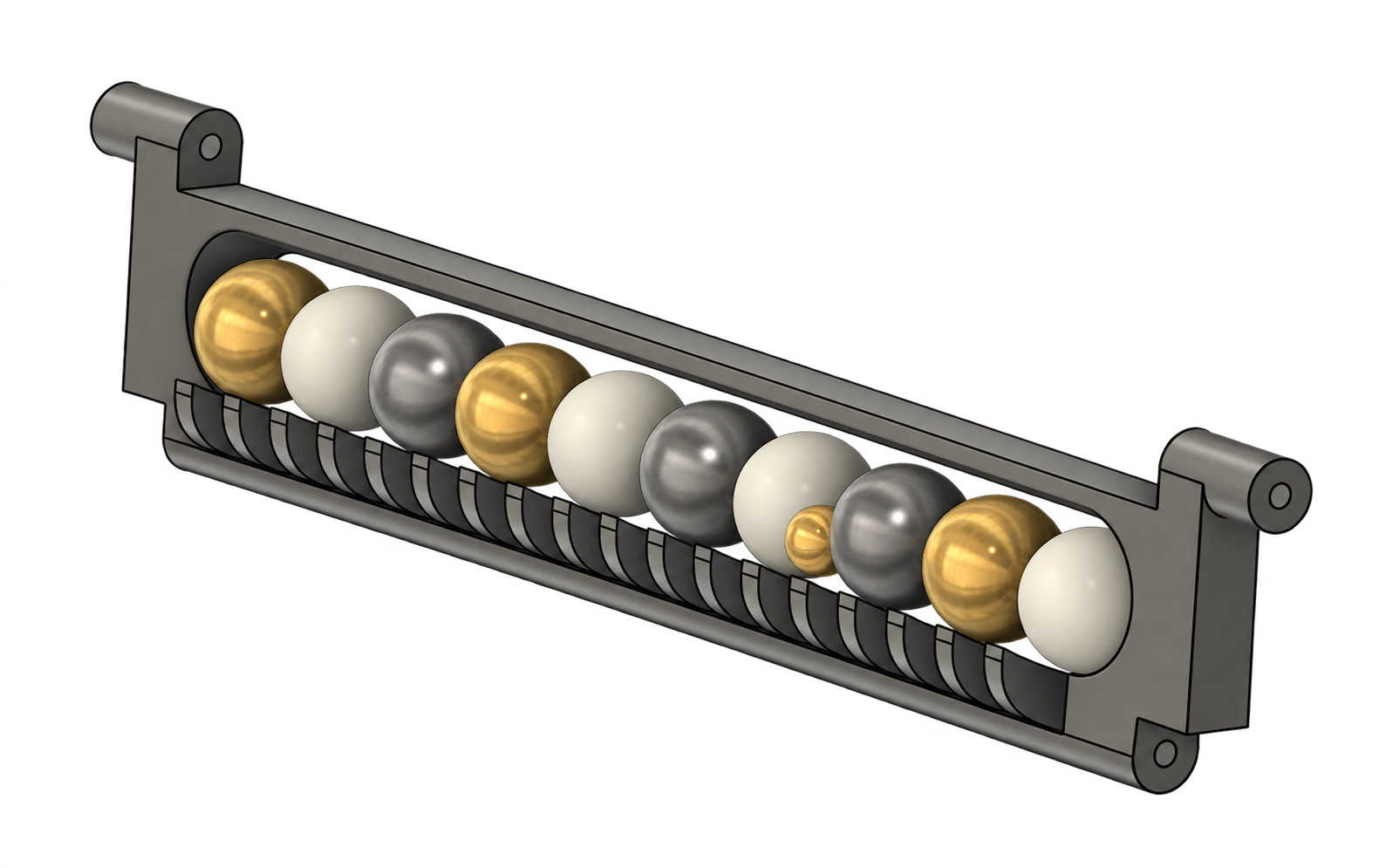
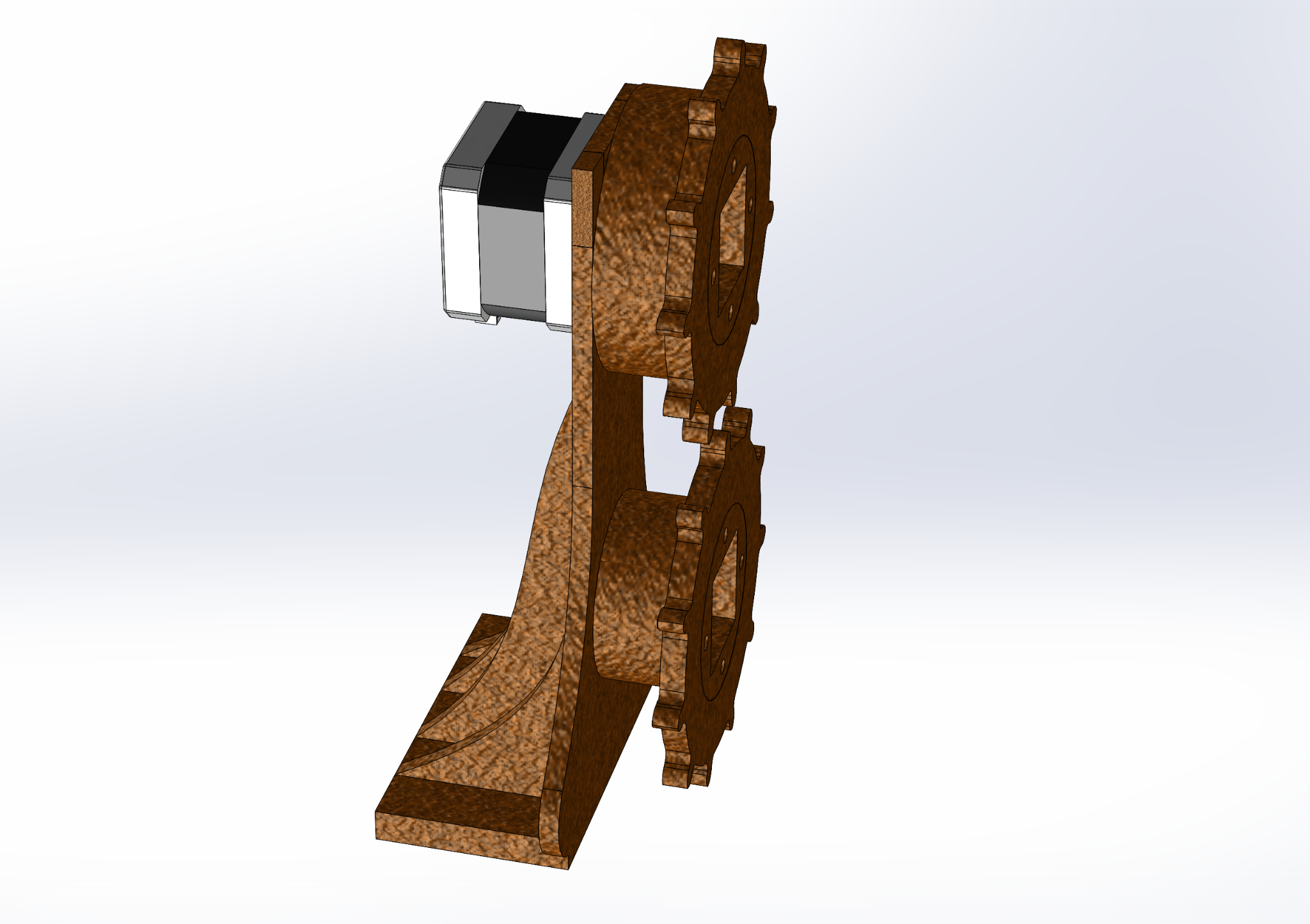
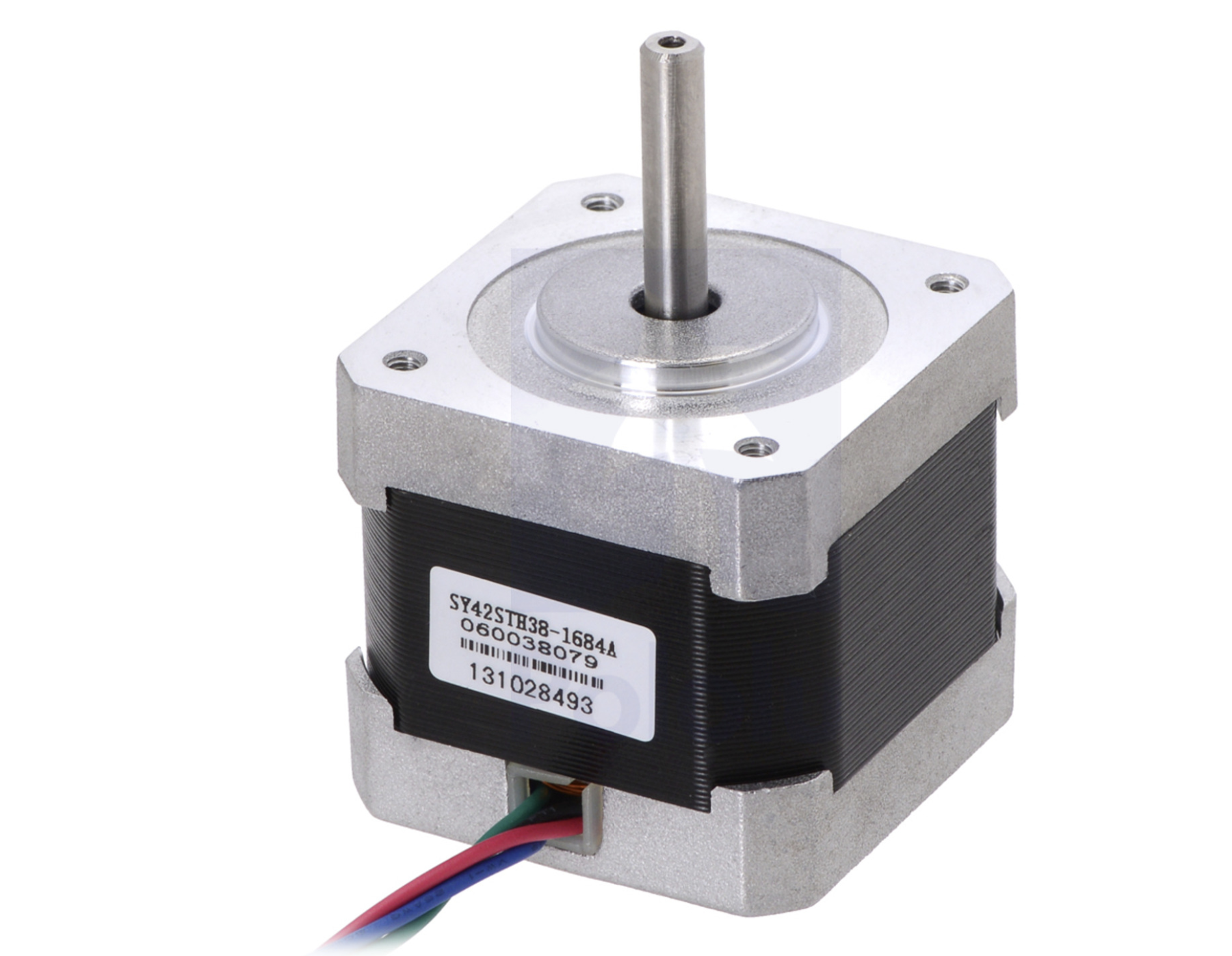
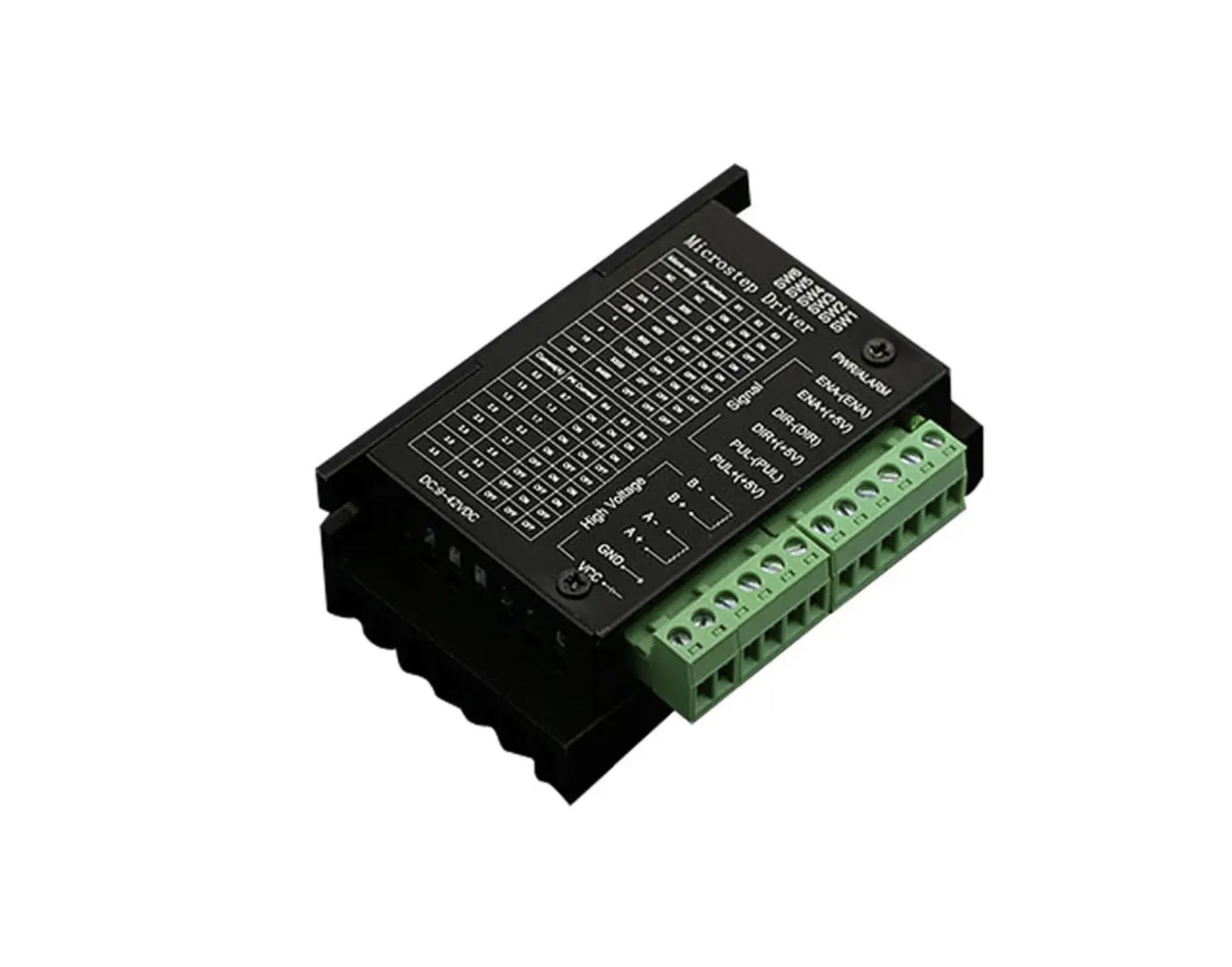
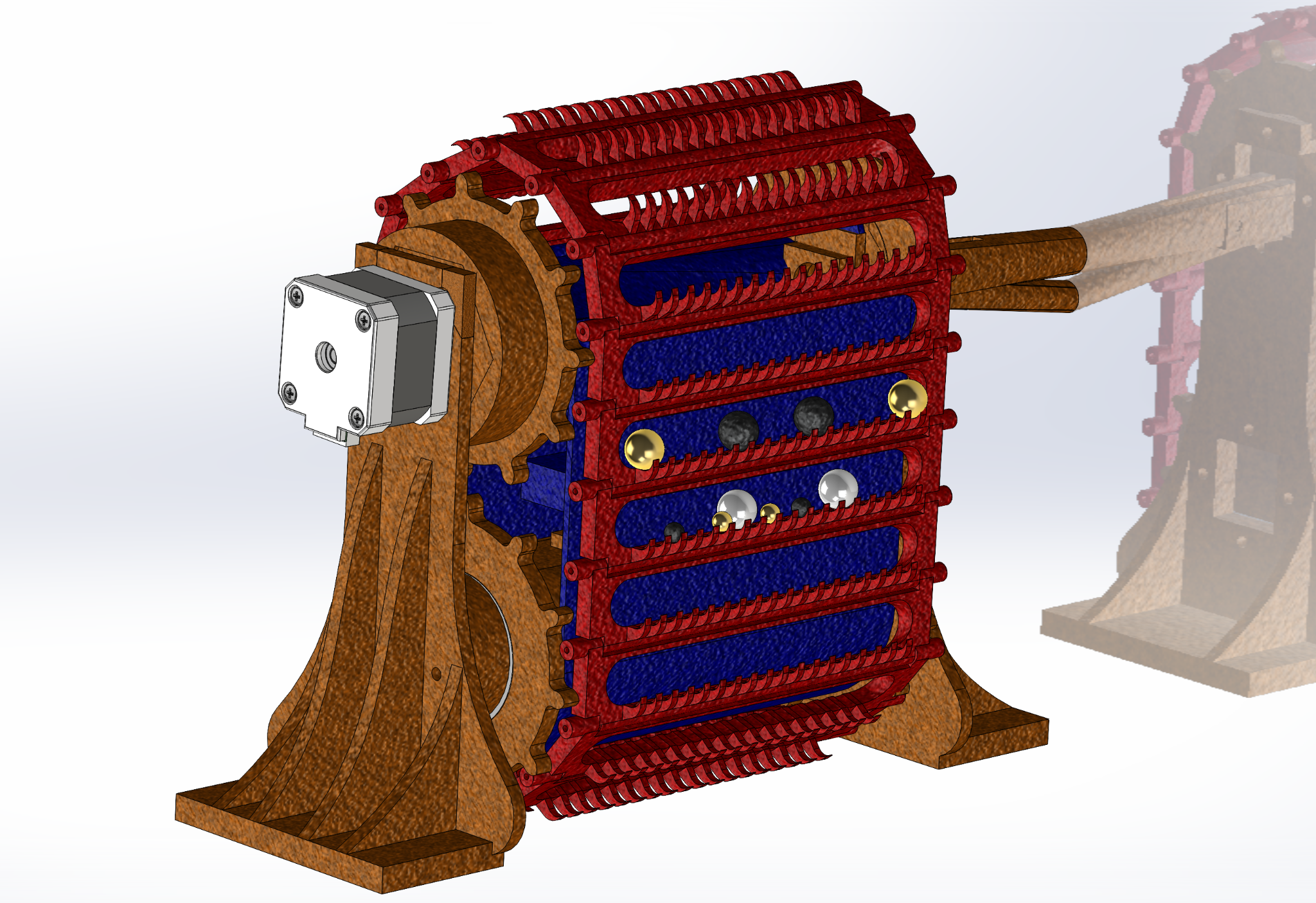
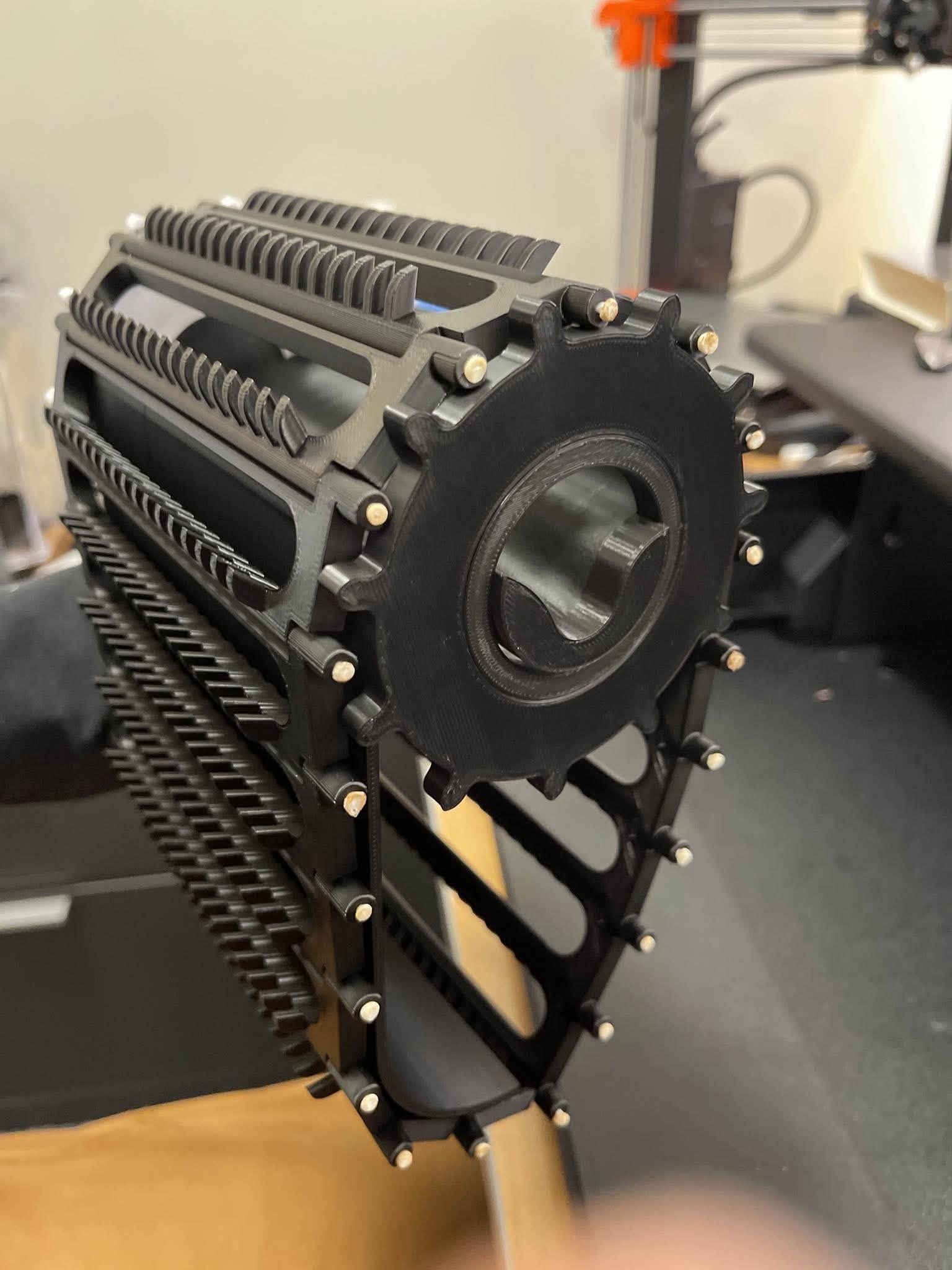
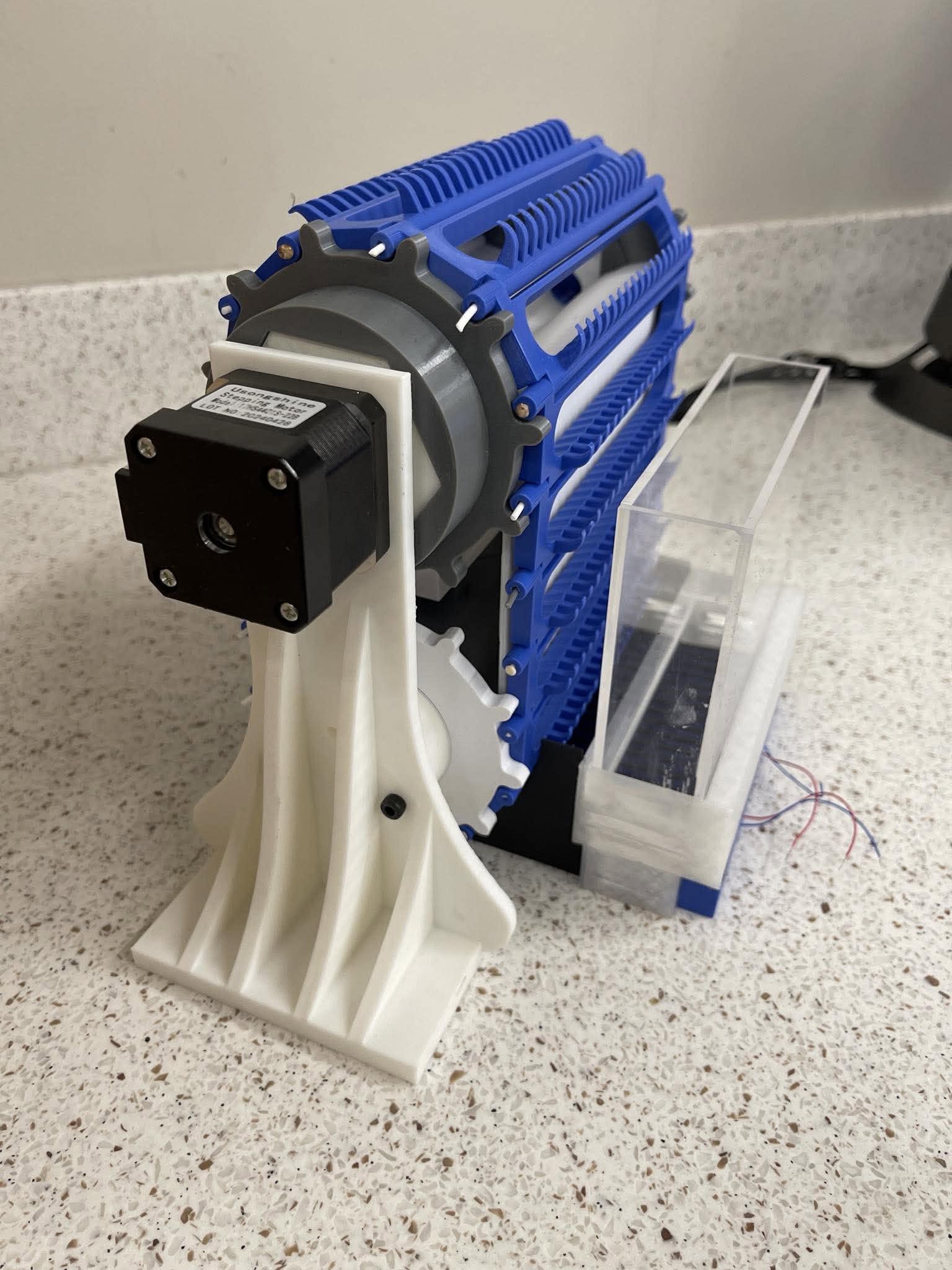
The lift is made from twenty-one 6-inch-wide teeth arranged in a continuous loop. We joined the teeth by coating small wooden rods with super glue and inserting them through each piece. One tooth can carry about ten ½-inch balls and five ¼-inch balls as it moves upward. A NEMA 17 stepper motor turns the sprockets and is controlled by a TB6600 stepper driver.
03
Catcher
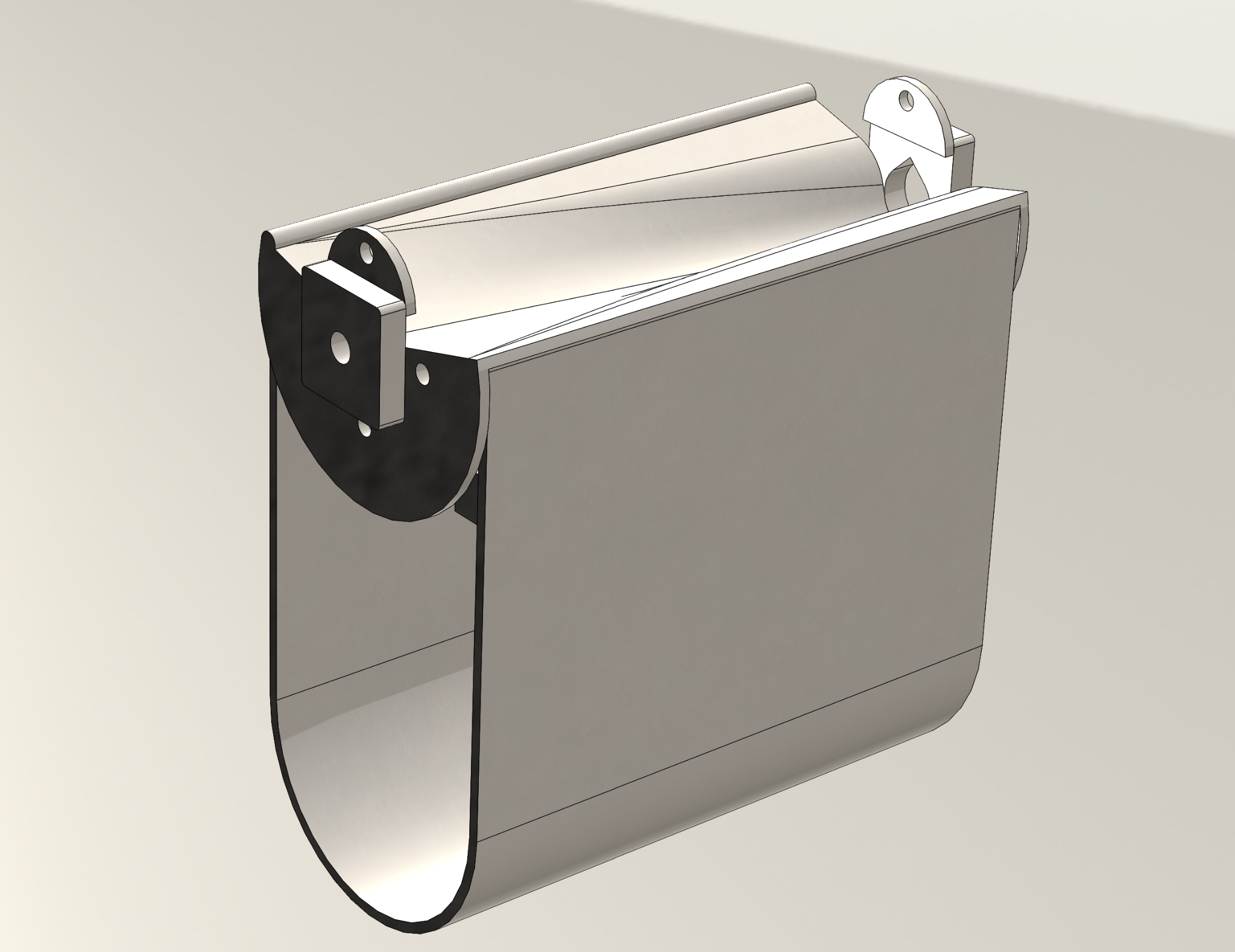
The catcher covers the open side of the lift and prevents the bearings from falling out as the teeth carry them upward. At the top, the bearings leave the teeth and drop into the catcher before continuing to the size-separation chute.
04
Size-Separation Chute
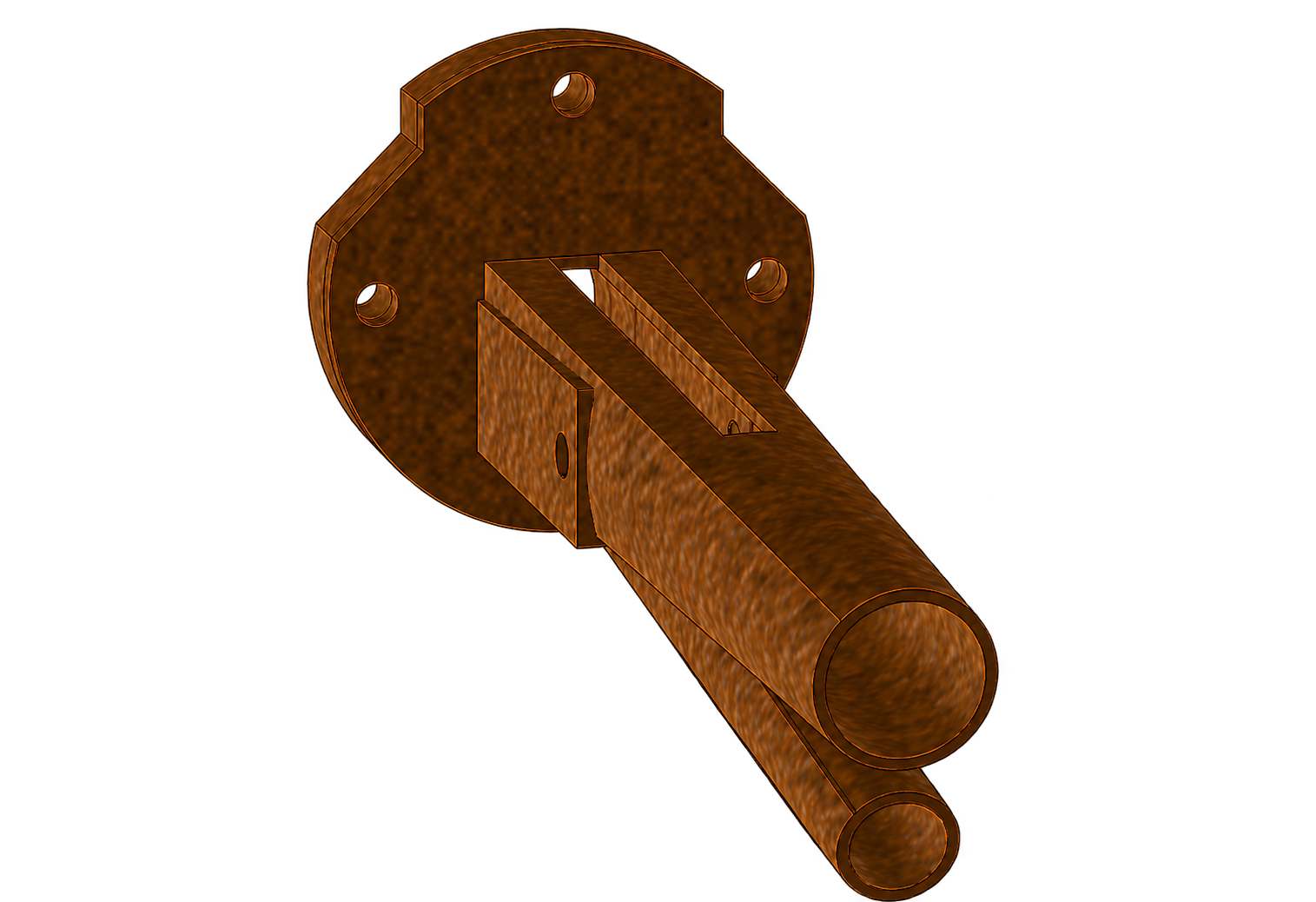
The bearings exit through the sorting chute. Its narrow lower opening only accepts the ¼-inch bearings, while the ½-inch bearings remain on the larger upper path. The two sizes leave Stage 1 through separate tubes.
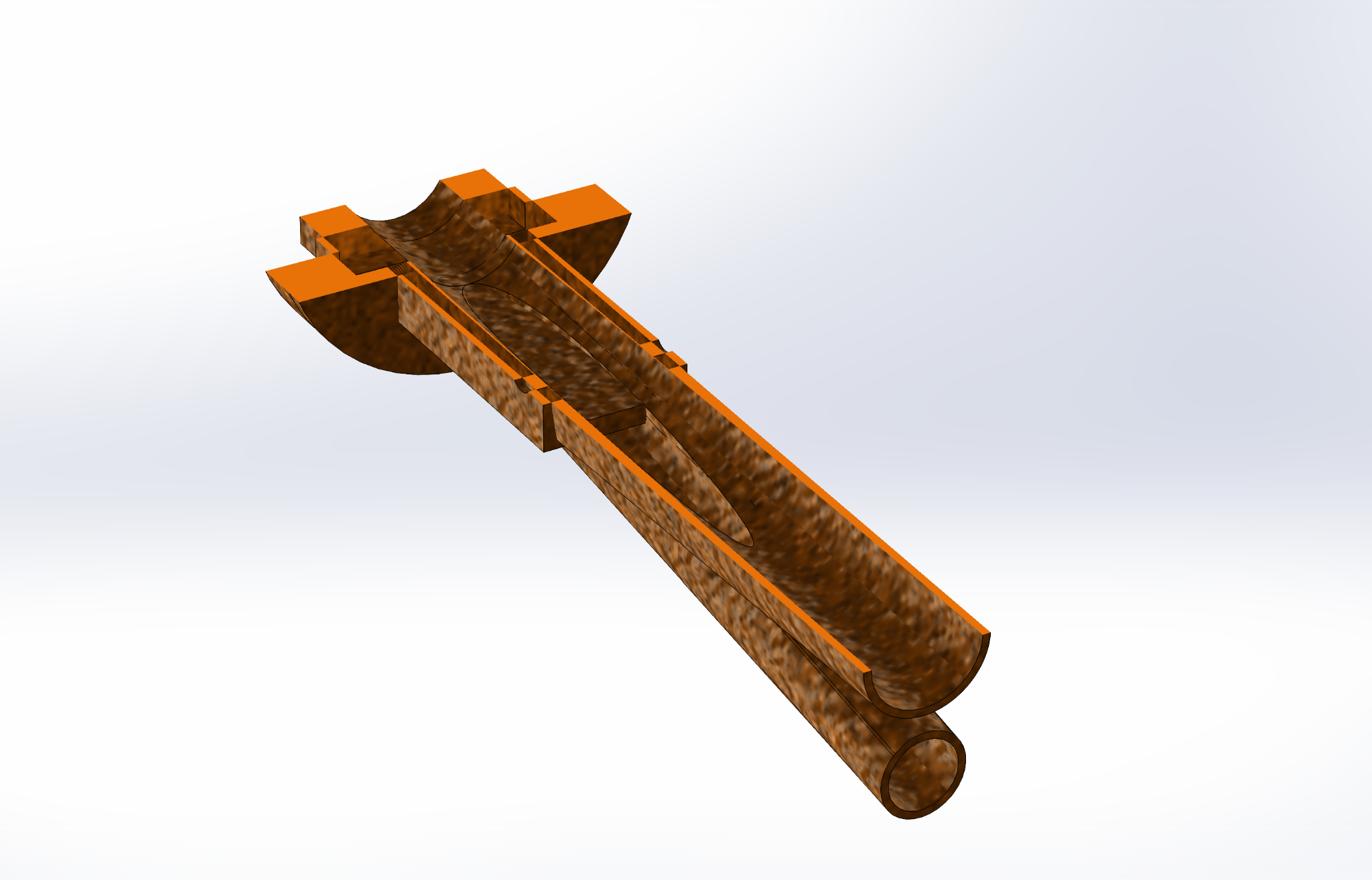
05 / SolidWorks Assembly
SolidWorks Assembly
The intake, toothed carriers, catcher, sprockets, motor, and sorting chute work as one continuous feed system before the bearings enter Stage 2.
06 / Prototype Evolution
Prototype Evolution
How the Machine Works
Sorting System
Stage 2 controls the bearing flow before each ball reaches the material-sorting sensors.
- 01Hopper System
- 02Sorting System
- 03Packaging Station
01
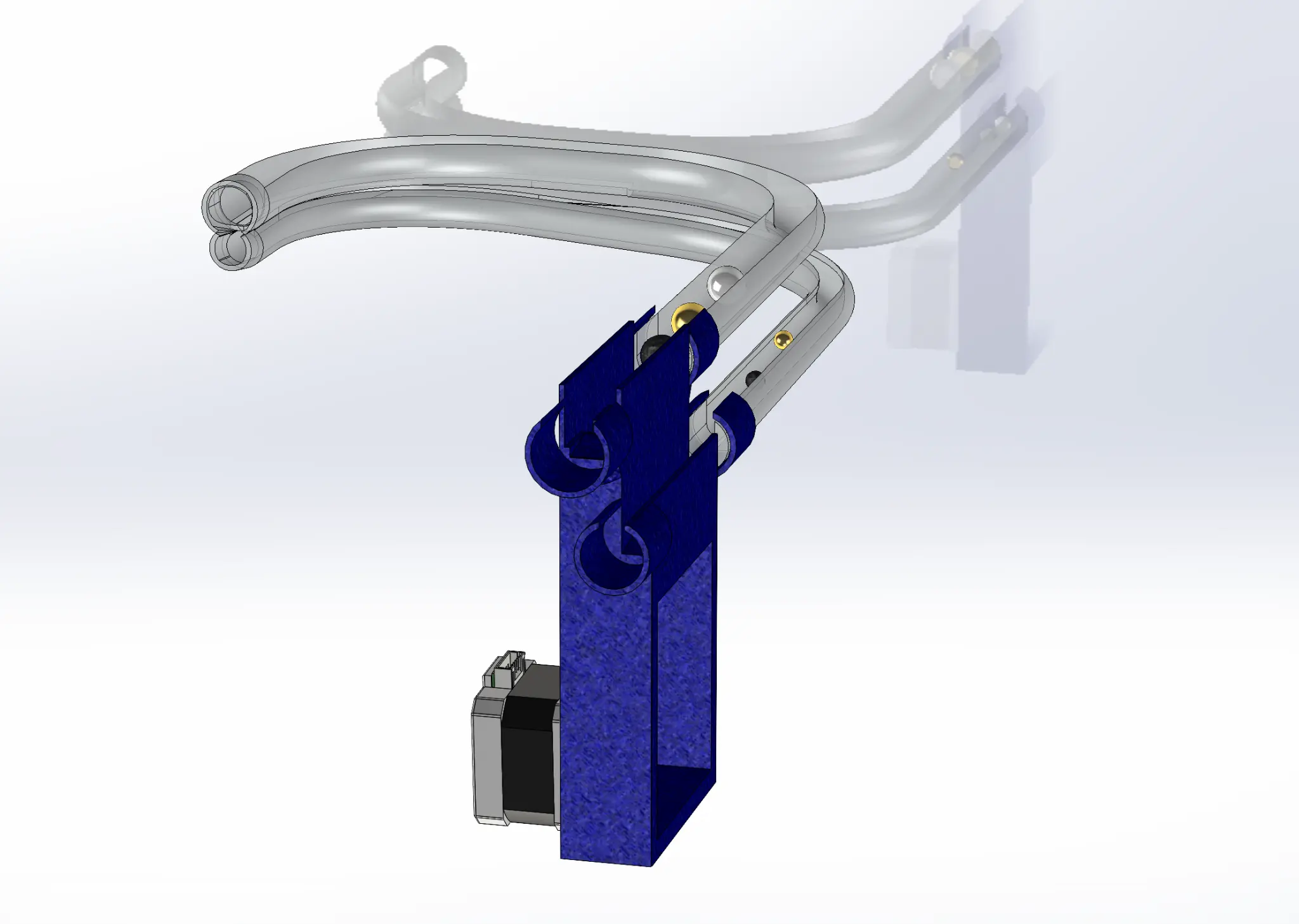
Ball Singulator
After leaving the hopper system, the bearings enter the ball singulator. We designed the track at an angle so gravity keeps the bearings rolling forward. Before they reach the material-sorting sensors, a reciprocating mechanism slows the flow and separates the bearings. The mechanism moves up and down to receive one bearing, block the next, and then release the captured bearing into the sorting section. A NEMA 17 stepper motor, controlled by a TB6600 stepper driver, powers this cycle so the sensors receive one bearing at a time for more accurate sorting.